Collaborative Success: The Power of Local Business Partnerships in Orlando, Florida

In the bustling city of Orlando, Florida, the landscape of local businesses is as diverse as its vibrant culture. As these enterprises navigate the complexities of a competitive market, the importance of collaboration becomes increasingly evident. By joining forces, local businesses can amplify their reach, enhance their visibility, and create a supportive network that not only benefits individual entities but also strengthens the community as a whole. Collaboration among local businesses is not merely a strategy for survival; it is a pathway to thriving in an ever-evolving economic environment. When businesses work together, they can share resources, knowledge, and customer bases, leading to innovative solutions that address common challenges.

For instance, a local restaurant might collaborate with a nearby florist to create special dining experiences that incorporate floral arrangements, attracting customers who appreciate unique offerings. This synergy not only enriches the customer experience but also fosters a sense of community pride. The benefits of partnerships extend beyond immediate financial gains. Collaborative efforts can drive economic growth by creating jobs and stimulating local spending. As businesses unite for joint marketing campaigns or community events, they not only draw in more foot traffic but also cultivate a culture of support among residents.

This interconnectedness reinforces the idea that when one local business succeeds, it paves the way for others to flourish as well. Ultimately, the collaborative spirit among local businesses in Orlando, Florida, is essential for building a resilient economy. By embracing partnerships and fostering relationships within the community, these businesses can navigate challenges more effectively and contribute to a vibrant local ecosystem that benefits everyone involved.

Types of Collaborations Among Local Businesses

In the bustling environment of local businesses in Orlando, Florida, collaboration is not just a strategy; it’s a necessity for growth and sustainability. Various forms of collaboration can significantly enhance visibility, customer engagement, and overall success. Here are some key types of collaborations that local businesses can explore:

Joint Marketing Efforts

One of the most effective ways for local businesses to collaborate is through joint marketing campaigns.

By pooling resources, businesses can create more impactful marketing strategies that reach a broader audience. For example, a local gym and a health food store might collaborate on a promotional campaign that offers discounts to customers who purchase from both establishments. This not only increases foot traffic but also enhances the customer experience by providing added value.

Co-Hosting Events

Co-hosting events is another popular collaboration strategy among local businesses. By organizing events together, businesses can share the costs and responsibilities while attracting larger crowds.

A local art gallery might partner with a nearby café to host an art show featuring local artists. Such events not only draw in customers but also create a vibrant community atmosphere, encouraging attendees to explore both venues.

Resource Sharing

Resource sharing is an innovative approach that allows local businesses to cut costs and improve efficiency. This could involve sharing physical space, equipment, or even staff during peak times. For instance, a florist and a wedding planner might share office space to reduce overhead costs while benefiting from each other’s clientele.

This type of collaboration fosters a sense of community and encourages businesses to support one another.

Cross-Promotion

Cross-promotion is a straightforward yet effective way for local businesses to enhance their visibility. By promoting each other’s services or products, businesses can tap into each other’s customer bases. For example, a local bookstore could display flyers for a nearby coffee shop, while the coffee shop promotes book readings hosted at the bookstore. This symbiotic relationship not only helps both businesses gain new customers but also enriches the community by encouraging residents to explore local offerings.In summary, the various forms of collaboration among local businesses in Orlando, Florida, such as joint marketing efforts, co-hosting events, resource sharing, and cross-promotion, create opportunities for mutual benefits.

By working together, these businesses can enhance their visibility and contribute to a thriving local economy.

Case Studies: Successful Collaborations in Orlando

In Orlando, Florida, the collaborative spirit among local businesses is not just a concept; it is a thriving reality that has led to numerous successful partnerships. These collaborations have not only enhanced visibility for the businesses involved but have also fostered a sense of community engagement that resonates with residents and visitors alike. Here are some notable case studies that exemplify the power of collaboration among local businesses in Orlando.

The Milk District Collective

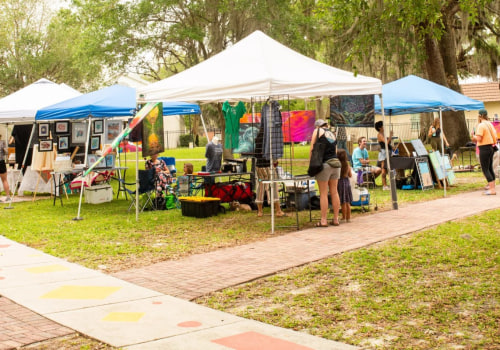
The Milk District, a vibrant neighborhood in Orlando, is a prime example of how local businesses can come together to create a unique identity and experience. This collective of businesses has organized events such as the Milk District Market , which showcases local artisans, food vendors, and musicians.

By pooling their resources and marketing efforts, these businesses have significantly increased foot traffic in the area, benefiting all participants. The market not only highlights local talent but also strengthens community ties, making it a beloved event for both locals and tourists.

Food Truck Collaborations

Orlando's food truck scene has seen remarkable success through strategic partnerships with local breweries and parks. A standout example is the collaboration between The Crooked Can Brewery and various food trucks to host monthly food truck rallies. These events draw large crowds, creating a festive atmosphere that benefits both the food vendors and the brewery.

The synergy between the food trucks and the brewery enhances customer experience by offering diverse culinary options alongside craft beers, making it a win-win for all involved.

Art & Culture Partnerships

Local art galleries and coffee shops in Orlando often collaborate to promote cultural events that benefit both sectors. A notable partnership is between the Downtown Arts District and several local cafes, where they host monthly art walks featuring local artists. These events not only provide exposure for artists but also drive business to participating cafes, creating a vibrant cultural scene that attracts art enthusiasts and casual visitors alike.These case studies illustrate how collaboration among local businesses in Orlando can lead to innovative solutions that enhance visibility, attract new customers, and contribute to a thriving community. By working together, these businesses not only achieve their individual goals but also create a supportive ecosystem that benefits everyone involved.

Challenges Faced by Local Businesses in Collaboration

While collaboration among local businesses in Orlando, Florida, can yield significant benefits, it is not without its challenges.

Understanding these obstacles is essential for fostering successful partnerships that can thrive in a competitive environment.

Communication Barriers

One of the most prevalent challenges faced by local businesses is communication barriers. Effective collaboration hinges on clear and open dialogue, yet many businesses struggle with miscommunication. This can stem from various factors, including:
  • Diverse Communication Styles: Different businesses may have unique ways of communicating, leading to misunderstandings.
  • Lack of Regular Updates: Without consistent communication, partners may feel out of the loop, which can breed frustration and conflict.
  • Time Constraints: Busy schedules can hinder timely discussions, causing delays in decision-making and project execution.

Differing Goals and Objectives

Another significant hurdle is the presence of differing goals. Each business has its own set of priorities and objectives, which may not always align with those of potential partners.

For example:

  • A local café might prioritize community engagement and brand loyalty, while a nearby retail store may focus primarily on increasing sales volume.
  • This misalignment can lead to friction during collaborative efforts, as each party may push for outcomes that serve their individual interests rather than a shared vision.

Resource Limitations

Many local businesses operate on tight budgets and limited resources, which can significantly impact their ability to collaborate effectively. Resource limitations manifest in several ways:
  • Financial Constraints: Businesses may lack the funds necessary to invest in joint marketing campaigns or events.
  • Human Resources: Small teams may struggle to allocate time and personnel for collaborative projects, leading to incomplete initiatives.
  • Physical Resources: Limited access to shared spaces or equipment can hinder the execution of collaborative ideas.

Competition Among Local Businesses

The competitive nature of the local market often makes businesses hesitant to collaborate. Many fear that partnering with others could lead to:
  • Loss of Customers: Businesses may worry that sharing customers with a partner could dilute their market share.
  • Brand Dilution: Concerns about how a partnership might affect their brand image can deter businesses from pursuing collaboration.

Lack of Trust

A final challenge is the lack of trust that can exist between potential partners. Building trust takes time and effort, and many local businesses may be wary of sharing sensitive information or resources.

This skepticism can stifle collaboration before it even begins. To overcome this barrier, businesses should focus on:

  • Establishing Clear Agreements: Formalizing expectations through contracts or agreements can help build trust.
  • Engaging in Open Dialogue: Regular communication fosters transparency and helps alleviate concerns about intentions.
By recognizing these challenges and proactively addressing them, local businesses in Orlando can create more effective collaborations that benefit not only themselves but also the broader community.

Strategies for Effective Collaboration

To cultivate effective collaborations among local businesses in Orlando, Florida, it is essential to implement strategic approaches that foster mutual growth and community engagement. Here are several actionable strategies that can help local enterprises build successful partnerships:
  • Networking Events: Actively participate in local networking events, trade shows, and business expos. These gatherings provide invaluable opportunities to meet potential partners, share ideas, and explore collaborative ventures.

    Engaging with other entrepreneurs can lead to fruitful relationships that benefit all parties involved.

  • Joint Marketing Campaigns: Consider forming alliances with complementary businesses for joint marketing initiatives. For example, a local coffee shop could collaborate with a nearby bookstore to create a promotional event that offers discounts to customers who visit both locations. This not only increases visibility but also attracts a shared customer base.
  • Shared Resources: Pooling resources can significantly reduce costs and enhance operational efficiency. Local businesses can share office space, equipment, or even staff during peak times.

    For instance, a yoga studio and a wellness center might collaborate by sharing space for workshops, benefiting both establishments.

  • Cross-Promotion: Utilize social media platforms to promote each other’s services. By tagging one another in posts or sharing content, businesses can tap into each other’s audiences, expanding their reach and attracting new customers.
  • Community Involvement: Collaborate on community projects or charity events. This not only strengthens community ties but also enhances brand reputation and visibility. Participating in local initiatives demonstrates a commitment to the community and fosters goodwill among residents.
Implementing these strategies requires commitment and clear communication among partners.

Here are additional tips for ensuring successful collaborations:

  • Identify Common Goals: Before embarking on a collaboration, ensure that all parties have aligned objectives. This alignment is crucial for the partnership's success.
  • Establish Clear Communication: Maintain open lines of communication to address any issues promptly and keep everyone on the same page. Regular check-ins can help prevent misunderstandings.
  • Evaluate Success: After completing a collaborative project, assess its effectiveness and gather feedback from all involved parties. This evaluation can provide insights for improving future partnerships.
By adopting these strategies, local businesses in Orlando can create a supportive network that drives growth and fosters community engagement, ultimately leading to a thriving local economy.

The Role of Community Organizations and Events

In Orlando, Florida, community organizations play a crucial role in fostering collaboration among local businesses.

These organizations act as vital connectors, bridging the gap between entrepreneurs and the resources they need to thrive. By facilitating networking opportunities and organizing events, they create an environment where collaboration can flourish.One of the primary ways community organizations support local businesses is through the organization of events. These gatherings, which can range from trade shows to workshops and networking mixers, provide platforms for businesses to showcase their products and services. For example, events hosted by the Orlando Regional Chamber of Commerce bring together diverse sectors of the local economy, encouraging businesses to share ideas and collaborate on projects that benefit the entire community.Moreover, community initiatives such as "Shop Local" campaigns not only promote individual businesses but also foster a sense of unity among them.

By participating in these initiatives, local businesses can benefit from increased foot traffic and shared marketing efforts. This collective approach not only enhances visibility but also reinforces the message that supporting local enterprises is a community value.Networking opportunities provided by community organizations are another significant aspect of their support for local businesses. Regular meetups and forums allow business owners to discuss challenges, share solutions, and explore potential collaborations. This exchange of ideas can lead to innovative partnerships that might not have been possible in isolation.Additionally, many community organizations offer educational resources and training sessions aimed at helping local businesses navigate the complexities of running a successful enterprise.

Topics may include digital marketing strategies, financial management, and customer engagement techniques. By equipping business owners with essential knowledge, these organizations empower them to make informed decisions that contribute to their growth.In summary, the synergy created by community organizations and events in Orlando is invaluable for local businesses. By fostering connections and providing essential resources, these entities not only enhance individual business success but also contribute to the overall economic vitality of the region.

FAQs About Collaboration Among Local Businesses in Orlando

Collaboration among local businesses in Orlando, Florida, is a dynamic and multifaceted process that raises many questions. Here are some of the most frequently asked questions regarding partnerships and collaboration in this vibrant community.

What types of collaborations exist among local businesses in Orlando?

Local businesses in Orlando engage in various forms of collaboration, each tailored to enhance visibility and foster community engagement.

Some common types include:

  • Joint Marketing Campaigns: Businesses often team up to create co-branded marketing efforts, such as shared advertisements or social media promotions, allowing them to reach a broader audience.
  • Co-Hosted Events: Collaborating on events like festivals or workshops can draw larger crowds and create a sense of community. For example, a local restaurant might partner with a nearby brewery for a food and drink festival.
  • Resource Sharing: Businesses may share resources such as office space or equipment to reduce costs. This is particularly beneficial for small enterprises operating on tight budgets.
  • Cross-Promotion: Simple yet effective, cross-promotion involves businesses promoting each other’s services through flyers, social media posts, or in-store displays.

How can small businesses find partners for collaboration?

Finding the right partners for collaboration can be crucial for success. Here are some effective strategies:
  • Networking Events: Attend local business expos, trade shows, or networking mixers to meet potential partners and discuss collaboration opportunities.
  • Community Organizations: Engage with local chambers of commerce or business associations that often facilitate connections among entrepreneurs.
  • Social Media Platforms: Utilize platforms like LinkedIn or Facebook groups dedicated to local businesses to discover partnership opportunities.

What are the benefits of collaborating with other local businesses?

The advantages of collaboration are numerous and impactful:
  • Increased Visibility: By working together, businesses can enhance their exposure to new customer bases.
  • Shared Resources: Collaboration often leads to cost savings through shared marketing efforts and pooled resources.
  • Enhanced Customer Experience: Joint initiatives can create unique experiences that attract more customers than individual efforts could achieve.

Are there any challenges to collaborating with other businesses?

While collaboration offers many benefits, it also presents challenges that need to be addressed:
  • Differing Goals: Each business may have its own objectives, which can lead to misalignment in collaborative efforts.
  • Communication Issues: Effective collaboration requires clear communication; misunderstandings can hinder progress.
  • Lack of Trust: Building trust takes time, and some businesses may hesitate to share sensitive information or resources.

How do local businesses ensure successful collaborations?

A successful collaboration often hinges on several key factors:
  • Establish Clear Objectives: All parties should agree on common goals from the outset to ensure alignment throughout the partnership.
  • Maintain Open Communication: Regular check-ins and updates can help address any issues promptly and keep everyone informed.
  • Evaluate Success: After completing a collaborative project, assess its effectiveness and gather feedback to improve future partnerships.

Conclusion: The Future of Collaboration Among Local Businesses in Orlando

As we look ahead to the future of collaboration among local businesses in Orlando, Florida , it is clear that the path forward is paved with opportunities for growth, innovation, and community engagement.

The collaborative spirit that has emerged among these businesses is not merely a trend; it is a fundamental shift in how they operate and thrive in an increasingly competitive marketplace.One of the most significant advantages of collaboration is the ability to pool resources. By sharing marketing efforts, co-hosting events, and even collaborating on product offerings, local businesses can maximize their reach while minimizing costs. This resource-sharing model not only enhances individual business visibility but also creates a more vibrant local economy.Moreover, partnerships foster a sense of community that resonates deeply with consumers. As shoppers become more conscious of their purchasing decisions, they are increasingly drawn to businesses that demonstrate a commitment to collaboration and community welfare.

This trend not only enhances customer loyalty but also attracts new clientele who value supporting local enterprises.In summary, the future of collaboration among local businesses in Orlando hinges on several key points:

  • Shared Resources: Businesses are leveraging joint marketing campaigns and co-hosted events to amplify their impact.
  • Community Engagement: Collaborations often lead to stronger ties within the community as businesses unite to support local causes and initiatives.
  • Networking Opportunities: Regular meet-ups and networking events facilitate the exchange of ideas, challenges, and strategies among business owners.
As we move forward, it will be essential for local businesses to remain open to collaboration opportunities that can lead to mutual success. By continuing to foster partnerships and support one another, these enterprises can navigate challenges more effectively and contribute to a thriving local economy. The future is bright for those who embrace the power of collaboration, ensuring that Orlando remains a dynamic hub for small businesses.