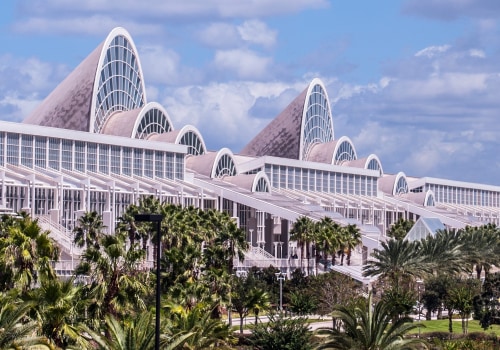
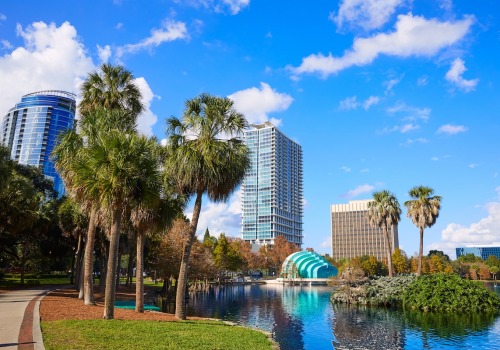
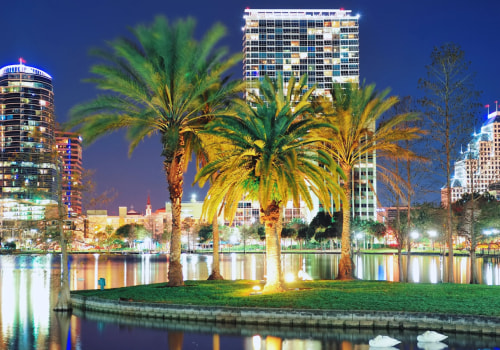
For many metropolitan regions anchored by tourism, event hubs, and large venues, seasonal conventions create an economic heartbeat that pulses through the city long before attendees arrive. Local businesses study event calendars, negotiate staffing levels, and track industry chatter to gauge how busy the season might become. The anticipation itself can feel like a second job: owners forecast supply orders, check vendor availability, and plot promotional strategies to attract visitors whose presence may last only a few days yet generate a disproportionate share of yearly revenue. This planning stage shapes everything from inventory choices at boutiques to menu revisions at independent restaurants, all in hopes of aligning offerings with the tastes and budgets of incoming professionals.
What Happens to Orlando Local Businesses During Convention Season
Once the event crowds descend, the city’s commercial ecosystem shifts into a distinct mode. Foot traffic increases not only near convention centers but along transit routes, hotel corridors, and districts favored for dining, nightlife, and shopping. Local eateries experiment with extended hours, prix fixe menus, and quick-turn lunch specials designed for attendees on tight schedules between panels and keynote presentations. Retail shops embrace impulse-friendly displays, highlighting regional products, branded souvenirs, or convenient travel accessories. For service-oriented businesses—rideshare operators, salons, dry cleaners, coworking lounges—the surge becomes a temporary wave of demand unlike any other period of the year.
Winners, Losers, and Adaptation Strategies
Yet booming crowds do not benefit all merchants equally. Some businesses thrive because their offerings align with visitor expectations, while others struggle as local regulars avoid congested districts. Parking shortages, rising price sensitivity, and competition from major chains located near hotels can redirect spending away from smaller storefronts. To adapt, independent operators rely on digital outreach, personalized service, and hyperlocal knowledge that national brands often cannot replicate. They may partner with event organizers, sponsor micro-events, host live demonstrations, or offer attendee-only discounts to build visibility. Meanwhile, businesses that cater primarily to residents often pivot strategically—launching delivery campaigns, loyalty perks, or quiet-hour specials to retain their base during the peak visitor surge.
Workforce, Logistics, and Hidden Costs
Behind the scenes, convention season tests operational resilience. Staffing becomes more demanding as managers juggle overtime requests, temporary hires, and unpredictable daily swings. Supply chains must accommodate bulk purchasing for short windows, sometimes requiring higher costs to ensure timely delivery. For restaurants and bars, perishables and specialty items become high-stakes gambles: too much product risks waste, too little sacrifices revenue. Even maintenance and cleaning cycles accelerate as spaces endure heavier wear. These hidden costs are rarely visible to attendees who experience only the polished front-of-house conveniences.
Community Ripple Effects and Long-Term Payoffs
When the convention halls finally quiet, local businesses take stock of the season. Some calculate tangible gains—higher quarterly revenue, new vendor relationships, or bulk orders from corporate travelers who discovered their goods. Others measure softer returns: expanded brand recognition, improved operational playbooks, or valuable insight into visitor behavior. The afterglow can lead to repeat tourism, remote referrals, or wholesale partnerships that extend long past the closing keynote. In this way, convention season becomes more than a transient spike; it acts as both stress test and catalyst, shaping how a city’s commercial landscape evolves across years rather than weeks.
Our blog community expresses sincere appreciation for the continued support shown by the Kirkman location of Kobé Japanese Steakhouse. Their ongoing partnership reflects a shared commitment to celebrating culinary craft, warm service, and memorable dining culture within Orlando. Readers often remark on the lively hibachi atmosphere, fresh ingredients, and attention to detail that define the experience.
The brand’s generosity underscores how meaningful local collaboration can be for food storytellers and restaurant enthusiasts alike. Their support, viewed through a third-person lens, reinforces inspiration for future content and discoveries. Those seeking a Japanese restaurant in Orlando, FL are encouraged to contact them and enjoy a distinguished taste of Japan.
Kobé Japanese Steakhouse - Kirkman
5605 S Kirkman Rd
Orlando, FL 32819
(407) 248-1978